
Drama
Key Contact: Zoe Gabbidon – zpg@gryphon.dorset.sch.uk
Drama at The Gryphon gives students the opportunity to create, perform and respond to different styles of theatre whilst expressing themselves and articulating their viewpoint on topics or issues within society. Through Drama our aim is to inspire students to experiment and apply creativity which will increase their confidence, so they become well-rounded and compassionate individuals, equipping them with the skills to lead successful lives. Drama will expose the students to a variety of theatrical styles, genres and formats enabling them to have an extensive perspective of Drama as well as developing them into versatile performers. They will also have an opportunity to discover the additional components of drama beyond acting, inclusive of backstage areas such as lighting, costume and sound design.
Course Content
Year 7
Half Term 1 & 2: Introduction to Drama: The students will be introduced to Drama as a subject, focusing on dramatic techniques, devising and performance. Students will develop their teamwork, leadership and creativity skills as they devise performances integrating fundamental dramatic skills and techniques.
Half Term 3 & 4: Performing a Script: Students will be exploring the script ‘Ernie’s Incredible illucinations’ in order to focus on characterisation and the application of key acting skills. Students will experiment with performing key extracts and utilising their vocal and movement skills to convey a clear and consistent character.
Half Term 5 & 6:Genres of Theatre: Students will be focusing on how theatre has developed through the ages, and they will learn about a range of styles inclusive of silent movies, Greek Theatre and melodrama and the key stylistic features each contains.
Year 8
In year 8, students will build on the foundational skills obtained in year 7. They will revisit a few key styles and dramatic techniques but develop them by looking at more challenging scripts and topics. They will also be introduced to new styles of performance. Additionally, in year 8 they will explore Live Theatre and analyse and evaluate the impact it has.
Half Term 1 & 2: Dramatic Techniques: Using the story of ‘Derek Bentley’ as stimulus to explore dramatic techniques. Students will be developing the key skills learnt in year 7 and applying them to a more challenging story.
Half Term 3 & 4: Performing a Script: Students will be exploring the script, ‘Sparkleshark’ and understanding how to perform a believable character. They will also explore the key components to conveying a key scene effectively with consideration to interactions with other performers, communicating the scene well to the audience and also strategies to make a scene interesting and engaging.
Half Term 5 & 6: Genres of Theatre: Within this unit, students will be exploring key genres, understanding the key elements and techniques needed to effectively perform them. These are genres explored at GCSE, so this unit is giving the students an insight to the bigger picture and how their work would contribute to the GCSE practical exams. This unit will end with analysing and evaluating live theatre.
Year 9
In Year 9, as students are preparing for their GCSE options, they will be building on their work from year 8 but introduced to units that link more directly to the GCSE. This is inclusive of different styles of scripts that would be required for Component 2 of the course, devising utilising dramatic techniques and experimenting with Theatre practitioners which links to Component 1.
Half Term 1: Dramatic Techniques: Using the story of ‘Stephen Lawrence’ as stimulus, students will devise integrating dramatic techniques. New techniques will be taught as well as previous ones refreshed, but due to serious nature of the topic, students are challenged to find ways to devise with authenticity and sensitivity.
Half Term 2: Types of Scripts: This unit will be exploring the different types of scripts within theatre and the fundamental skills required to execute them successfully. This links to Component 2 of the GCSE course where students could select from an array of different types of script and this unit exposes them to some potential options.
Half Term 3 & 4: Introduction to Theatre Practitioners: This unit will give students awareness of a range of different theatre practitioners that have contributed to the development of contemporary theatre, today. This unit will reveal the breadth of different styles there are and give a good insight into what is explored at GCSE.
Half term 5 & 6: Performing a Script: Students will explore the script DNA, understanding how to perform a believable character. Within this unit, students will also be exploring how to effectively stage the production using different design elements.
Assessment
Students will complete an assessment at the end of each unit demonstrating their knowledge and understanding of the topic focused on.
Year 7
Assessment 1: Students will perform a devised scene utilising dramatic techniques. They will receive a grade for their rehearsal process and practical performance.
Assessment 2: Students will perform a key scene from Ernie’s Incredible Illucinations. They will receive a grade for their rehearsal process, practical performance and a written evaluation of their performance.
Assessment 3: Students will create and perform a piece in a selected style of theatre. They will receive a grade for their rehearsal process and practical performance.
Year 8
Assessment 1: Students will perform a devised scene utilising dramatic techniques. They will receive a grade for their rehearsal process and practical performance.
Assessment 2: Students will perform a key scene from Sparkleshark. They will receive a grade for their rehearsal process, practical performance and a written evaluation of their performance.
Assessment 3: Students will create and perform a piece in the style of a selected genre. They will receive a grade for their rehearsal process and practical performance.
Year 9
Assessment 1: Students will perform a devised performance utilising dramatic techniques based on the story of Stephen Lawrence. They will receive a grade for their rehearsal process and practical performance.
Assessment 2: Students will perform a naturalistic or non-naturalistic style script. They will receive a grade for their rehearsal process and practical performance.
Assessment 3 & 4: Students will devise a performance integrating all the key techniques of their selected practitioner. They will be graded on their rehearsal, performance and written evaluation.
Assessment 5: Students will be required to perform a key scene from DNA or complete a series of design tasks. Students can opt to be an actor or designer.
Homework
Students will be set 1 piece of homework per term for Drama in KS3. This homework will include worksheets based on topics we are focusing on, creation of posters/ presentations, quizzes, independent research tasks, and learning lines.
Key Stage 4 Subject overview
Key Contact: Zoe Gabbidon zpg@gryphon.dorset.sch.uk
Syllabus Information: Students study GCSE Drama with the WJEC Eduqas exam board. For Component 3 they will study Refugee Boy by Benjamin Zephaniah and the live theatre production that they evaluate will be seen when they are in year 11 and is dependant on what is showing at the theatre.
Course Content
Year 10
Half Term 1: Introduction to Drama: Students will be recapping key forms and conventions that are integral for creating drama performance. A range of different topics and stimuli are explored as well as key design components.
Half Term 2: Genres of Theatre: Students will explore different theatre practitioners and genres (a development from year 9). These are fundamental or Component 1.
Half Term 3 & 4: Written Exam Preparation: Students will spend the first half term preparing for Section B of the written exam which centres around analysing and evaluating live theatre. The second half term will be spent studying the set text – Refugee Boy and they will explore past papers and exam technique.
Half Term 5 & 6: Component 1: Devising Theatre – Students will begin Component 1 (a real NEA exam). They will recap practitioners, genres and explore different stimuli. They will be placed in their group and expected to devise ready for the performance.
Year 11
Half Term 1: Component 1: Devising Theatre – Students will continue with the preparation of their Component 1 exam. This will be performed at the beginning of October (TBC). Alongside this they will complete the required coursework elements.
Half Term 2 & 3: Component 2: Performing a Script – Students will be in new groups preparing their component 2 scripted exam (external examiner).
Half Term 4 & 5: Component 3: Written exam preparation – Students will focus solely on their written exam. It is structured to focus on live theatre (the students will have already seen a show) and then we recap and focus on the set text, applying exam techniques.
Assessment
Year 10 students will complete an assessment at the end of each unit. Year 11 will complete mock exam assessments and their real NEA exam and coursework.
Year 10
Assessment 1: Introduction to Drama: Students will perform a devised piece. They will be graded on their rehearsal, performance and a written evaluation.
Assessment 2: Genres of Theatre: Students will perform in the style of a practitioner or genre. They will be graded on their rehearsal and performance.
Assessment 3: Written Exam Preparation: Students will complete a practice paper for Section A and Section B. They will receive an individual grade for each.
Assessment 4: PPE – The students will complete their year 10 PPE based on Section A and B of the written exam. They will receive an overall grade for the whole paper.
Year 11
Assessment 1: Component 1 mock exam: Students will compete a mock exam for Component 1. This will be graded and will give an insight into where their performance/design is currently at.
Assessment 2: Component 1 Exam. The students will receive a grade for their NEA exam. This will be for their performance and two separate pieces of coursework (subject to moderation).
Assessment 3: Component 2 mock exams: Students will compete a mock exam for Component 2. This will be graded and will give an insight where their performance/design is currently at. current
Assessment 4: PPE 2: Students will complete their PPE based on the Component 3 exam
Assessment 5: Practice papers will be completed within class. 1-2 will be formally marked. Students will be informed of this.
Homework
Students are set a range of homework tasks at Key Stage 4. This ranges from independent learning, revision tasks, consolidation of knowledge, reading scripts, learning lines, planning design and exam style questions.
Useful information, links and resources
Eduqas GCSE Drama Past Papers – Revision World
GCSE Drama – Eduqas – BBC Bitesize
(42) GCSE EDUQAS Drama – YouTube
Drama Learning JourneyDownload


Year 11 & 13 Celebration
11th September
We were incredibly proud to recognise the outstanding achievements of our Year 11 and Year 13 students on Thursday 10th September in the wonderful Sherborne Abbey, celebrating their hard work, commitment and...
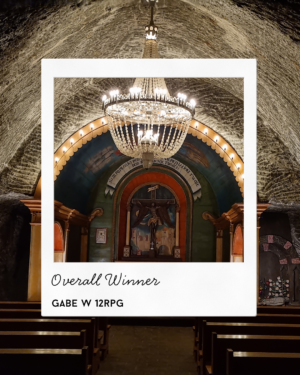
Sacred Spaces Photography Competition
5th October
Over the summer the RE department ran a Sacred Spaces Photography competition, inviting students to submit their own original photographs of a sacred space they have visited. Students were challenged to capture...

Annual Sixth Form Sponsored Walk
5th October
The annual Sixth Form sponsored walk proved to be a brilliant success again this year as students took on a 20+km around Sherborne and the surroundings villages. A huge well done to...